Convert TV inches to cm, see real TV dimensions, and check if a 43–85 inch TV actually fits your room.
Buying a TV isn’t just about the diagonal size. A 65-inch TV can feel perfect in one room — and absurd in another.
This guide shows:
- TV sizes converted from inches to centimeters
- Actual width and height, not just marketing size
- Why size alone is misleading — and what to check next
TV Size Conversion Table (Inches → CM)

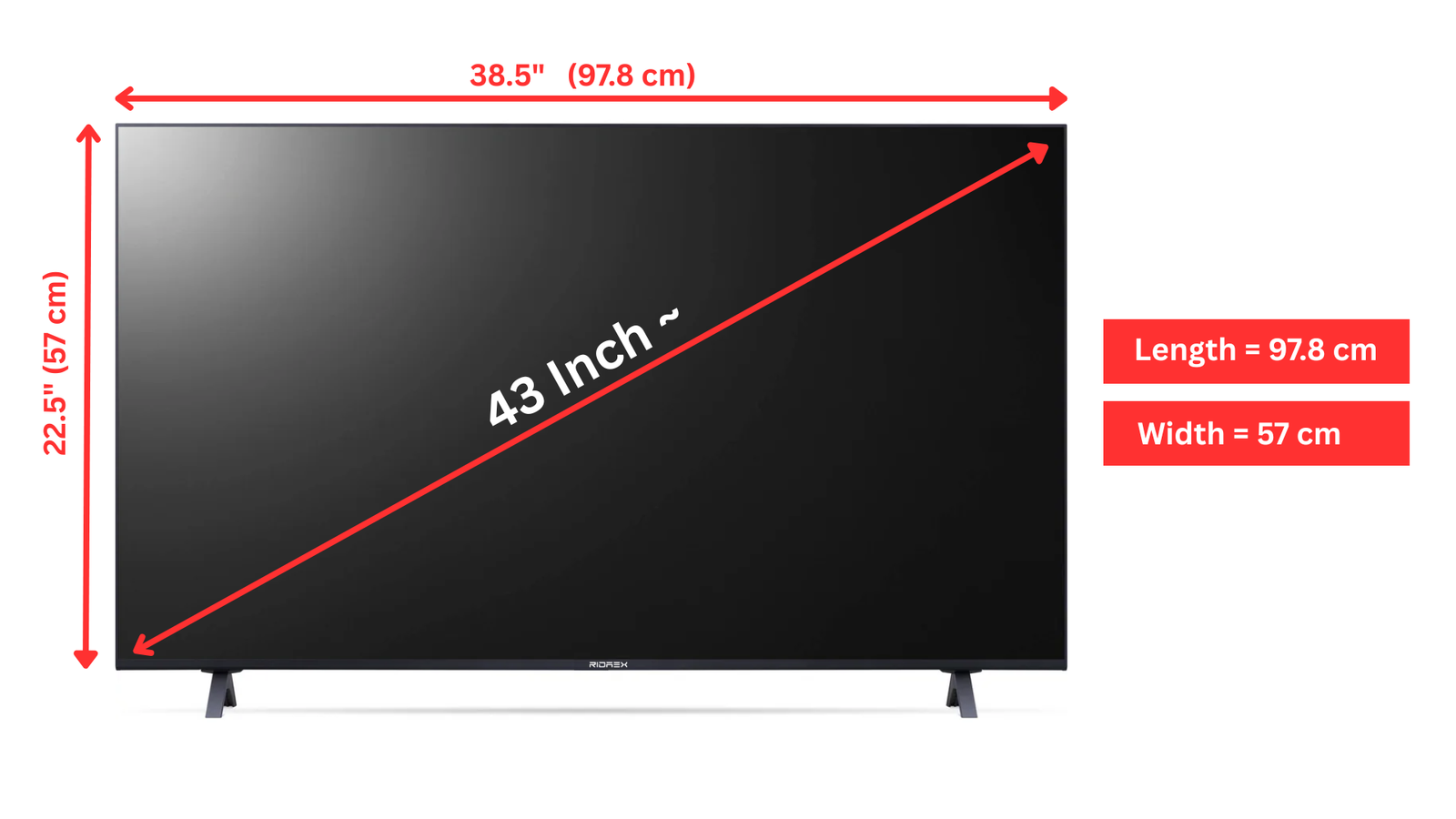
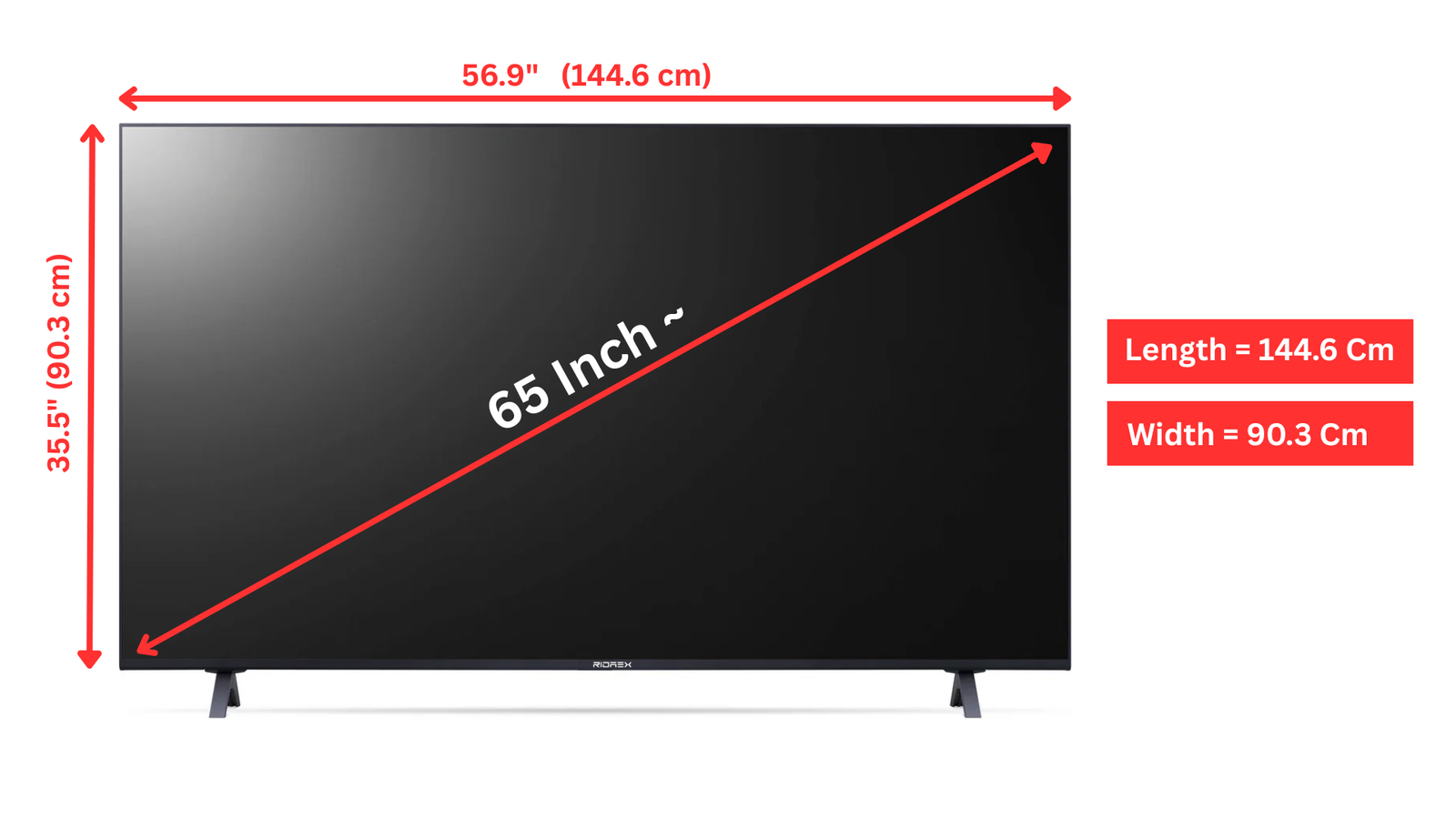
Dimensions below assume a standard 16:9 TV (almost all modern TVs).
| TV Size | Width (cm) | Height (cm) | Diagonal (cm) |
|---|---|---|---|
| 43″ | ~95 | ~54 | 109 |
| 55″ | ~122 | ~69 | 140 |
| 65″ | ~145 | ~83 | 165 |
| 75″ | ~167 | ~96 | 191 |
| 85″ | ~189 | ~108 | 216 |
Important:
TV size refers only to the diagonal, not the real footprint on your wall or TV stand.
TV Inch to CM Converter
TV Inch to CM Converter
See the real width and height — not just the diagonal.
Why TV Size Alone Is Misleading
Two TVs with the same diagonal size can feel completely different.
A 65-inch TV can feel:
- Perfect at 2.5–3 m
- Overwhelming below 2 m
- Small beyond 4 m
This depends on:
- Viewing distance
- Wall mounting vs TV stand
- Screen height relative to eye level
Common TV Buying Mistake
Most people ask:
“Is a 65-inch TV big enough?”
The better question is:
“Is a 65-inch TV right for my viewing distance?”
That difference is what causes buyer’s remorse.
Check What Size Fits Your Room
Check What Size Fits Your Room
Now that you know the physical dimensions, use the tools that factor in distance:
TV Viewing Distance Calculator
TV Size Calculator Based on Distance
FAQ
Is TV size measured diagonally?
Yes. All TV sizes are measured corner to corner.
Are these dimensions exact?
They are accurate within 1–2 cm depending on the TV model.
Does resolution matter for TV size?
Yes. 4K TVs allow closer viewing without visible pixels.